Moving to Poland from Canada or the US: What Actually Changes
The essentials: Poland is cheaper for daily life but local salaries are much lower (average enterprise-sector gross 9,259.54 zł in Aug 2026). Non-EU movers need a residence permit, offices run in Polish, and winter darkness beats winter cold as the real challenge.
Every year, thousands of people trade life in Canada or the United States for life in Poland: Polish descendants reclaiming citizenship, remote workers chasing lower costs, professionals following a job or a partner. The move looks simple on paper - same comforts, smaller bills - but the reality is a series of specific, predictable adjustments. This guide lays out what actually changes when North Americans move to Poland, with current numbers where they matter.
The money equation: cheaper, but differently
Poland is genuinely cheaper than Canada or the US for housing, eating out, transport and services, and that gap is the reason many people come. But newcomers regularly misread the equation in both directions. Local salaries are also much lower: the average monthly gross salary in the enterprise sector was 9,259.54 zł in August 2026, according to Statistics Poland - a solid local income, but a fraction of a typical Canadian professional salary. The comfortable scenario is arriving with foreign income: remote work, a pension or savings. Living on a local Polish salary is a different, tighter experience than the "everything is cheap" fantasy suggests.
The second surprise is that some things cost the same or more. Electronics, cars, fuel and branded goods are priced at European levels, and heating a poorly insulated older flat through a Polish winter can shock anyone used to Canadian energy bills.
The paperwork welcome
Poland runs on administration more than North America does. Expect a PESEL number, address registration (zameldowanie), and visits to offices where English is not guaranteed. EU citizens have it easiest - a free stay registration after three months. Non-EU citizens, including Canadians and Americans, need a residence basis: work, studies, business or family, formalised in a residence permit (karta pobytu), and wait times at popular voivodeship offices are measured in months. The practical advice from everyone who has done it: start the paperwork before you think you need it, and keep copies of everything.
The language reality
English gets you remarkably far in Warsaw, Kraków, Wrocław and Gdańsk - in restaurants, shops, tech workplaces and with anyone under forty. It gets you almost nowhere in government offices, healthcare administration and much of daily official life. Polish is a genuinely hard language for English speakers, and most North American expats plateau at functional basics unless they study seriously. That plateau is livable but limiting: the expats who feel most at home are the ones who keep chipping away at the language.
Social culture: less small talk, more substance
Canadians and Americans arrive calibrated to friendly strangers, cheerful service and easy small talk. Poland is different: service is efficient rather than warm, strangers do not chat in queues, and smiles are reserved for people you actually know. New arrivals often read this as coldness. It is better understood as a different allocation of warmth: Polish friendships form more slowly and then run much deeper, and hospitality inside a Polish home - the feeding, the toasts, the refusal to let you leave hungry - regularly astonishes North American guests.
The winter question
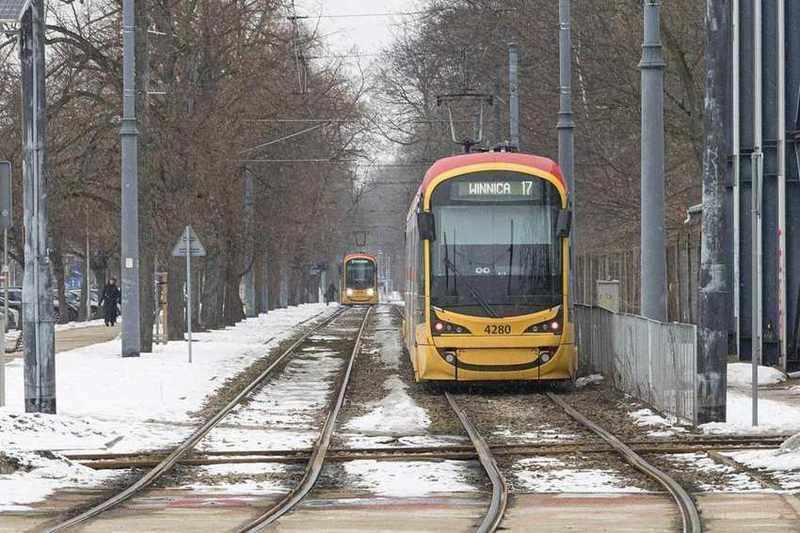
Canadians assume a Polish winter will be easy. It is shorter and milder than a Canadian one, but the challenge is different: darkness and damp rather than deep cold. November through February bring short, grey days, and the sun sets before 16:00 in December. Heating matters more than insulation in older buildings, and city smog in the heating season is a real quality-of-life factor in some regions. The people who struggle most are not the cold-averse but the light-deprived.
The underrated upside: Europe next door
The trade that surprises no one but delights everyone is geography. From Poland, a weekend in Prague, Vienna, Berlin or Bratislava is a train ride, and budget flights put most of Europe within two hours. North Americans used to driving eight hours and still being in the same province find that Poland quietly rewires their sense of distance.
Frequently asked questions
Is Poland cheaper than Canada?
For housing, restaurants, transport and services, clearly yes. But local salaries are proportionally lower - the average enterprise-sector gross salary was 9,259.54 zł per month in August 2026 - so the favourable equation is strongest for those arriving with foreign income or savings.
Do Canadians need a visa to move to Poland?
For a stay over 90 days, Canadians need a residence basis such as work, study, business or family ties, formalised in a temporary residence permit applied for at a voivodeship office. Processing can take months, so apply early and keep your legal stay continuous.
How bad are Polish winters for a Canadian?
The cold itself is milder than in most of Canada; the real adjustment is the darkness and damp, with December sunsets before 16:00 and long grey stretches. Good indoor lighting and winter trips south are the standard expat coping strategies.