Tool Rental in Poland: Deposits, Accessories and Safe Handover
The essentials: Describe the task and experience honestly, confirm the tool and compatible kit, obtain the complete quote and timing rules, and ask for understandable safety instructions. Inspect the handover and return records; the deposit is not an assumed liability limit.
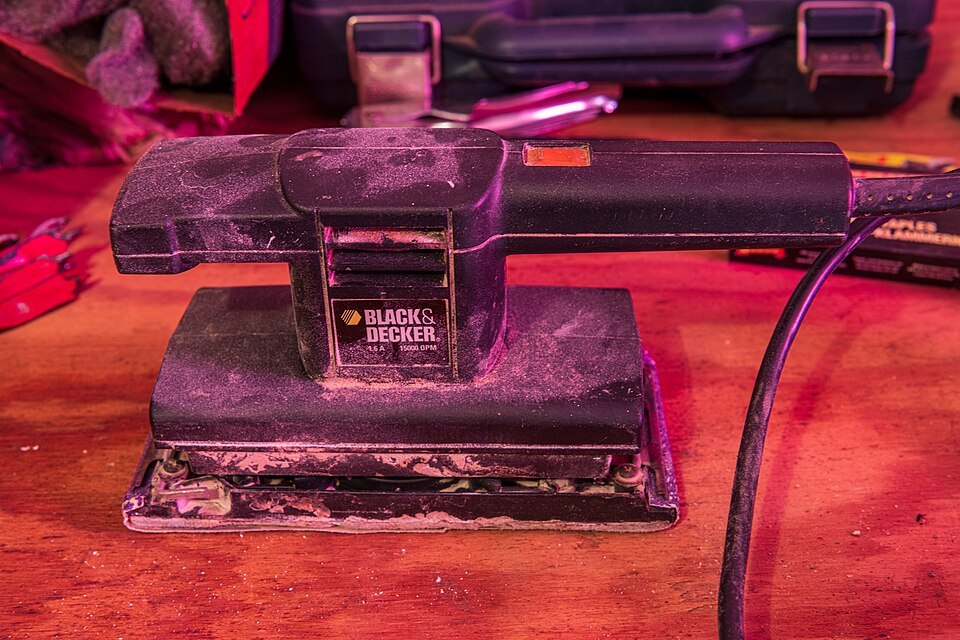
Illustrative sheet sander, October 2021, not rental inventory or a product recommendation. Puddin Tain / Wikimedia Commons, CC BY-SA 2.0. Resized, same licence.
Renting a tool can make sense when a small apartment project needs equipment you will rarely use again. But the advertised daily rate is only part of the decision. The right machine, suitable accessories, safe operation, transport, deposit and return deadline all matter. A powerful tool that you cannot use confidently is not a saving.
In Polish, search for wypożyczalnia narzędzi or wynajem sprzętu. This guide is about arranging and checking a rental, not instructions for construction work. Provider and official consumer pages were checked on 27 October 2026. No tool has been reserved, and the examples below do not establish local stock or a nationwide tariff.
Describe the task before choosing a machine
Tell the rental desk what material, surface and result you are dealing with, including the size of the job and your experience. Ask which machine and accessories are appropriate rather than requesting the biggest model or the first item whose name resembles an online tutorial. Bring measurements and photographs where they help explain the task without exposing private information.
Check that the work is something you are permitted and competent to carry out. A rental agreement gives you possession of equipment, not permission to alter a rented home or building. Resolve any owner, building-management or specialist requirements before making changes. If you cannot establish what is safe behind a surface or how the work affects a building system, use an appropriately qualified professional.
Do not treat counter instructions as a complete qualification for unfamiliar, high-risk work. Ask what training, protective equipment and site preparation the job needs. This article provides no electrical, gas, structural, plumbing or hazardous-material procedure. Choosing not to rent can be the right outcome when the task requires skills or conditions you do not have.
Check the branch and the actual rental partner
Identify which company provides the equipment and contract. OBI's rental page describes checking availability at a chosen store, selecting collection and return times, and signing a rental agreement with its partner Boels Rental Germany. The shop branding and the contracting business are therefore separate details worth checking in the paperwork.
Confirm the exact model, branch, collection time and reservation status. A product appearing in an online catalogue does not prove it is available at your nearest desk. OBI's page explicitly starts with a local availability check and may suggest another store. Keep the confirmation and ask what happens if the previous customer returns late or the reserved machine is unavailable.
Check rental-desk hours separately from general store hours. Ask about cancellation, no-shows, extensions and returns on holidays before planning the job around a weekend offer. Do not assume equipment can be collected or returned whenever the wider shopping site is open. A special rate may have a specific collection and return window.
Get a complete quote, including consumables
Ask for the total covering your planned period, applicable tax, required accessories, wear charges, consumables, transport and any protection product. Also ask what could be added after return. Boels's rental-information page says its displayed prices exclude several items, including cleaning, transport, accessories and particular usage-related costs. A headline rate is not the full project budget.
Consumables and wear are different from simply renting the machine. Boels describes charging for wear on items such as diamond blades and drill bits, with some sharpening charges, and selling materials such as abrasive paper. Ask how wear is measured, what is included and whether you will see the initial and final measurement. Do not assume an accessory handed over with the machine is free to consume.
Check exactly which compatible accessories are supplied and which you must buy or return. A battery-powered tool may need batteries and a charger; a machine may require a particular attachment or collection system. Have the desk confirm compatibility for the actual model. Bringing something that looks similar is not enough to establish safe fit or suitability.
Understand what 'one day' means
Have the provider write the collection and return deadline and explain how the charge is calculated. Boels distinguishes 24-hour periods from calendar-day charging for some equipment and also describes operating-hour limits for metered machines. A day of possession and a day of machine use are not necessarily the same allowance.
ToolShare's published terms provide another example: rent is charged for the rental period, not only the time the device is operating, with further charges for late return. These are provider-specific descriptions checked on 27 October 2026. Do not apply one company's timing rule to another company, another model or a negotiated package.
Allow for travel, collection checks, learning the controls, cleaning and the return journey. If you need more time, ask about an extension before the agreed deadline. Do not assume the rental stops accruing because you finished the job, the machine is sitting unused or you have sent a message saying you intend to return it.
Check documents and the deposit
Ask which valid identification is accepted and whether the named renter must collect in person. Boels says private customers must present valid photo identification and lists a passport, driving licence or identity card. ToolShare also refers to a valid photo document when preparing the agreement. Confirm what applies to your own booking instead of assuming every desk accepts the same document.
Ask for the deposit amount, accepted payment method, settlement process and expected return route. OBI's rental page describes paying the deposit in cash or by card and settling it against the rental charges after inspection. Other arrangements can differ. A deposit is not automatically the maximum you could owe for damage or loss.
Keep the contract, deposit evidence and itemized quote. Check who is allowed to use or collect the equipment, rather than casually passing it to a friend. Some rental terms restrict transfer to third parties or use at a different location. Ask for any required authorization before the equipment leaves the agreed arrangement.
Inspect the complete kit and ask for a demonstration
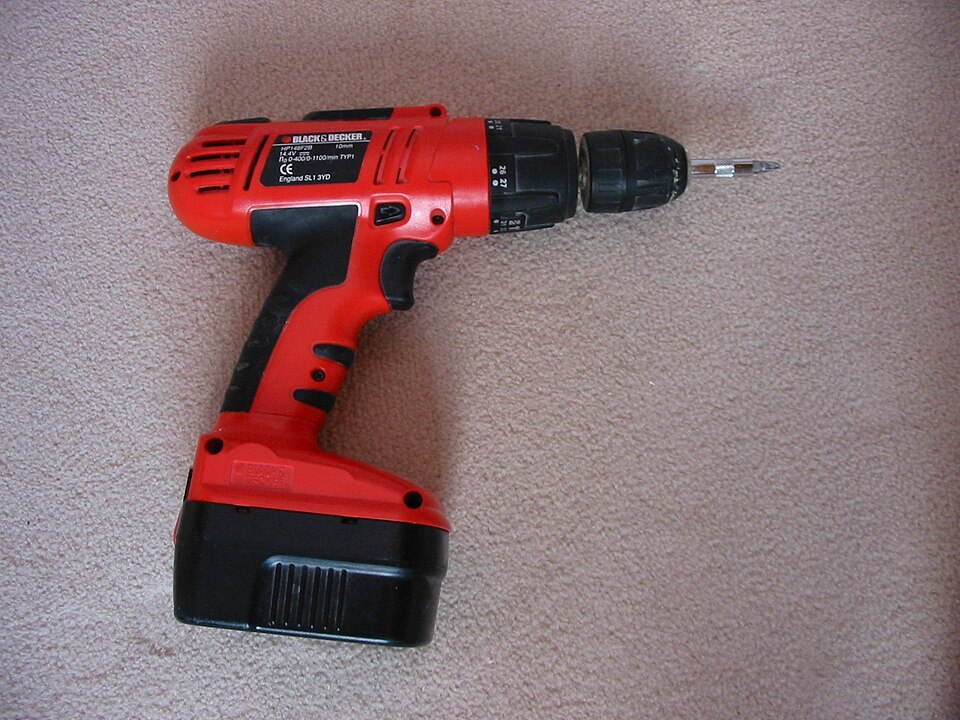
Compare the tool, attachments and accessories with the handover record. Check the visible condition and have existing damage or missing parts recorded. OBI says the equipment is checked for functionality at collection. Ask to see the relevant checks and do not sign a statement that you have received a complete, working kit or understood instructions if that has not happened.
Ask for the manual and a demonstration of the actual controls, required safety accessories, normal stopping process and fault procedure. Boels's safety page says branch instructions cover operation, safety requirements and accessories. If the explanation is in a language you do not understand, pause and arrange an understandable explanation rather than guessing from a quick gesture.
Ask about suitable transport and secure storage. Check the machine's dimensions, weight and handling requirements before arriving with a small vehicle or expecting to carry it home. Boels publishes transport symbols for its products and offers delivery at additional cost. Confirm the arrangement for the specific machine rather than assuming every rental fits in a passenger car.
Read protection terms, not only the product name
Ask what happens if the equipment is damaged, stolen or fails during proper use. Check any offered damage waiver or protection product, its cost, excess, exclusions and reporting conditions. Boels offers a Rental Protection Plan, but its page directs customers to detailed terms and excludes damage from intentional acts or carelessness.
Do not interpret a protection label as permission to ignore the instructions, leave equipment unsecured or use an unsuitable accessory. Equally, do not assume the security deposit settles every possible liability. Ask how the provider distinguishes ordinary wear, a machine fault and chargeable damage, and what evidence supports an additional charge.
This guide describes what provider pages say, not a verdict that every liability clause is enforceable in every consumer case. If wording appears unclear or unusually broad, ask for an explanation before signing and seek consumer advice if needed. A general marketing summary should not replace the agreement and applicable protection conditions.
Stop and report a fault rather than repairing it yourself
If something is wrong, stop using the equipment and follow the manual's safe shutdown instructions. Contact the rental company through the verified details on the contract. Describe the model, issue, timing and any visible warning. Do not bypass a guard, open a service panel or attempt a repair because you are worried about losing rental time.
Ask what happens next: return, replacement, collection or assessment, and how the rental period and charges are handled while the problem is resolved. ToolShare's terms prohibit repairs without the provider's knowledge and consent. Keep the fault report and instructions in writing where possible. A telephone conversation is easier to follow up when you record the time and agreed next step.
Return clean, complete and with a record
Follow the provider's cleaning instructions rather than using a method that could damage the machine. Check all issued items against the inventory and allow time for inspection. OBI asks for cleaned equipment on return; Boels says cleaning and repair costs may be charged if the condition is unsuitable. Obtain an explanation of any proposed charge before treating the deposit settlement as finished.
Keep the return record, final bill and deposit-settlement evidence. If you dispute a charge or faulty service, complain to the actual contracting business with the agreement, handover photographs, fault messages and requested outcome. Gov.pl directs private consumers dealing with businesses to consumer advisers, local ombudsmen and Trade Inspection. The paperwork is more useful than an argument about what a generic daily-price advertisement appeared to promise.
Frequently asked questions
What is a tool rental shop called in Polish?
Search for wypożyczalnia narzędzi or wynajem sprzętu. Confirm the actual equipment model, branch, collection window and contracting company.
Is the daily rate the whole cost?
Not necessarily. Ask about tax, consumables, accessory wear, cleaning, transport, protection products and late return, as well as the rental rate.
Does one day always mean 24 hours?
No. Check the agreement. Some equipment uses calendar-day charging, and metered machines can have operating-hour limits within the rental period.
Does the deposit cap damage liability?
Do not assume so. Read the agreement and protection terms for damage, loss, excess and exclusions separately from the deposit.
What should I do if the tool fails?
Stop using it, follow its safe shutdown instructions and contact the rental company. Do not bypass safety features or repair it without authorization; agree the return or replacement and charging arrangement.
Sources
- OBI rental collection and return process, checked 27 October 2026
- Boels rental periods, deposits and extra costs, checked 27 October 2026
- Boels safety instructions and transport, checked 27 October 2026
- Boels Rental Protection Plan, checked 27 October 2026
- ToolShare published rental terms, checked 27 October 2026
- Gov.pl consumer help, updated 13 January 2026, checked 27 October 2026