School enrolment for foreign children in Poland: how it works
Short answer: Children aged 6 to 18 must study in Poland. Enrol at your district school with ID and a residence statement; foreign documents are generally not required to be recognised.
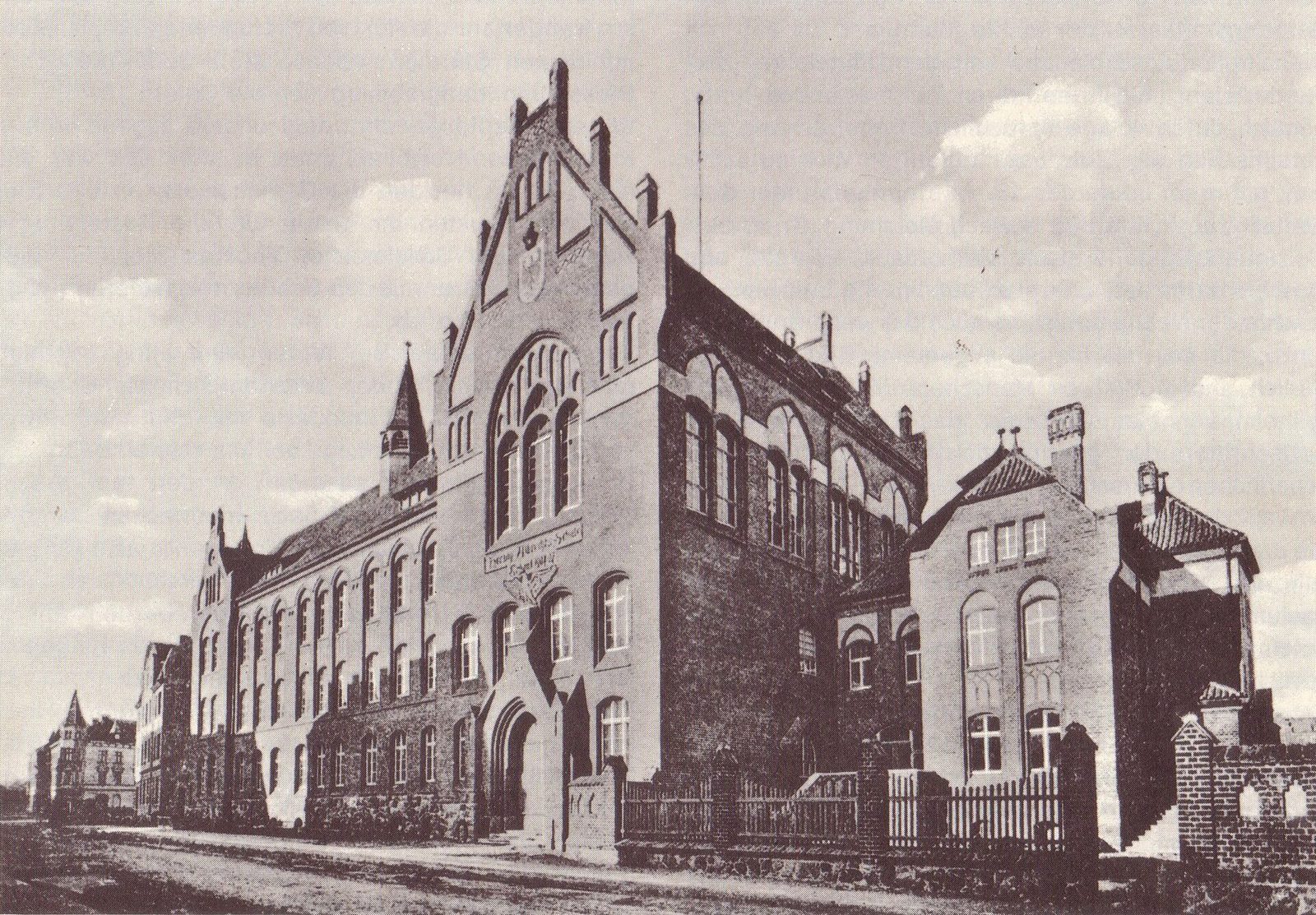
If you move to Poland with children, the first question is usually how to get them into school. The rules are the same for most foreign children as for Polish ones. This guide uses the Office for Foreigners (UDSC) information on the education of foreign children, which the office updated in February 2025 and publishes in ten languages, and the Ministry of Education's page on children arriving from abroad. Local details such as dates and forms differ by city, so always confirm with the school or your municipal office.
Who has to go to school
According to the Office for Foreigners, every child in Poland between the ages of 6 and 18 is obliged to study. The people responsible are the parents who have full parental authority. They are the ones who enrol the child in a kindergarten or school.
The obligation has stages:
- Pre-school year. A child aged 6 must complete one year of pre-school education, in a kindergarten, a pre-school department in a primary school or another form of pre-school education. It starts at the beginning of the school year in the calendar year in which the child turns 6.
- Primary school. Compulsory schooling starts at the beginning of the school year in the calendar year in which the child turns 7, and continues until the end of primary school, but no longer than until the age of 18.
- After primary school. The obligation is met by attending a post-primary school or by vocational training with an employer. A pupil who finishes a post-primary school before 18 can also meet it by studying at a tertiary school or taking a vocational qualification course.
A 6-year-old can start first grade at the parents' request if the child shows psychophysical maturity. The headmaster decides, based on the opinion of a psychological-educational counselling service or on the fact that the child went to pre-school the year before. A 7-year-old can get a postponement if the parents apply, with an opinion from the counselling service, no later than 31 August of the year in which the child turns 7. That child then stays in pre-school.
How to enrol
The office's advice is to enrol your child as soon as possible. Start with the district school of your place of residence, which is generally the school closest to your home. Children are admitted on the basis of the parents' application, even during the school year.
You can also choose a school outside your district. In that case the headmaster decides whether the child is admitted. If a school refuses a child, contact the authority that runs the school, which as a rule is the municipal or district office where you live.
If a district primary school is overcrowded and taking foreign children would require organisational changes, the municipality can point to another public primary school. If that does not work, the mayor or city president asks the school superintendent (kurator), who names the school.
Enrolment in a public primary school in the district where the child lives happens "ex officio", which means that the school admits the child without a separate application procedure. The parents attach a statement about the place of residence of the parents and the child.
Documents
The most common requirements are:
- the child's name, surname, date of birth, and the series and number of an identity document,
- the parents' names, e-mail address and phone number,
- a statement of the place of residence of the parents and the child.
Schools may use their own template for the application, so ask the school which form it wants. For schools outside your district, schools can ask for more, for example a medical certificate, a written consent of the parents, or the results of an aptitude test or a language test, depending on the type of school.
As a general rule, you do not need to have foreign school documents officially recognised. The exceptions are post-secondary schools and second-level industrial schools.
Which class will the child join
For primary and post-primary schools the child is placed in a class on the basis of the foreign documents, which show the total number of years of schooling in Poland and abroad. The school may also take into account the age of the pupil and the opinion of the parents.
If you cannot show documents, the child is qualified for the right class after an interview conducted by the headmaster, with a teacher if needed. If the child does not speak Polish, the interview takes place in the language the child speaks, and the school has to arrange for a person who speaks it to take part if necessary.
Recruitment deadlines
For public pre-schools and public primary schools, the deadlines are set by the authority that runs the school, by the end of January, and are usually in early March. For first grades of public post-primary schools, the school superintendent sets them, also by the end of January. Children from abroad can join during the school year, so do not wait for the next recruitment round if you arrive in October.
Support for children who do not speak Polish
The Office for Foreigners lists these forms of support in public and non-public schools:
- Preparatory departments. They help children adapt, with teaching adjusted to their needs. The pupil stays until the end of the school year in which he or she was placed there, and the time can be shortened or extended by up to one school year.
- Extra Polish lessons. At least 2 lesson hours a week, organised by the school, for up to 24 months. In a preparatory department the Polish hours go up to at least 6 a week.
- Compensatory classes. Arranged at the teacher's request to fill gaps in the curriculum: 1 lesson a week per subject, for up to 12 months. One pupil can have at most 5 extra lesson hours a week in total, including Polish.
- Intercultural assistant. A person who speaks the child's language, employed by the headmaster for up to 12 months.
- Home-language classes. The consulate of the country of origin or a cultural association of that nationality can organise lessons in the language and culture of the country at school, with at least 7 pupils and up to 5 lesson hours a week.
- Exam adjustments. A child with limited Polish can take the eighth-grade exam and the Matura, except foreign language exams, under adapted conditions if the school's teachers' council gives a positive opinion.
What happens if a child does not attend
The office warns that unexcused absence from at least 50% of the school days within one month can lead to a written warning, a fine for the parent of up to 10,000 PLN, or a motion to the Family and Minors Court to review the family's situation. National rules do not say how absences are excused. Each school sets this in its statute, so ask the class teacher.
Practical tips
- Ask your gmina which school is your district school before you visit others.
- Bring the child's passport or residence card, previous school reports and proof of address.
- Ask the school in writing about extra Polish lessons from the first week.
- For help, the Office for Foreigners' education helpline is 47 721 76 75 on working days from 9:00 to 15:00, and the e-mail is [email protected].
Frequently asked questions
At what age must my child start school in Poland?
At 6 the child must complete one year of pre-school. Compulsory schooling starts in the year the child turns 7.
Can my child join school in the middle of the year?
Yes. Children are admitted on the basis of the parents' application even during the school year.
Does my child need to speak Polish first?
No. A child who does not speak Polish can get extra Polish lessons and may be placed in a preparatory department.
Do I need to have foreign school certificates recognised?
As a general rule, no. The exceptions are post-secondary schools and second-level industrial schools.
What if the school refuses to admit my child?
Contact the authority that runs the school, which is usually the municipal or district office where you live.